How to Reduce Garage Doors Maintenance Cost Efficiency Protocol
Managing residential structural infrastructure requires balancing routine operational expenses against long-term capital replacement costs. The overhead sectional entrance portal represents the single largest dynamic mechanical aperture across residential properties. How to Reduce Garage Doors Maintenance Cost. Operating under severe mechanical stress, this portal absorbs continuous kinetic forces generated by daily vehicular movements, dynamic wind pressures, and thermal envelope expansions.
Minimizing long-term entrance upkeep outlays involves implementing disciplined preventive maintenance frameworks rather than relying on reactive emergency repairs. Property owners and facility managers must address mechanical drag, roller stem friction, and torsion spring fatigue before localized component wear cascades into catastrophic opener motor failure or structural panel buckling. Small preventive interventions deliver compounding financial savings over multi-year asset lifecycles.
Harmonizing mechanical safety protocols with financial optimization requires understanding physical component interactions, material wear rates, and environmental exposure dynamics. Selecting durable hardware components, maintaining precise track alignment standards, and conducting seasonal lubrication routines preserves structural integrity while lowering operational overhead. This technical guide establishes an actionable framework for reducing ongoing maintenance expenditures across residential overhead access systems.
Understanding “how to reduce garage doors maintenance cost”
Preventive Asset Management Strategies
Analyzing residential maintenance economics demands examining structural mechanics alongside asset depreciation models. From a financial perspective, learning how to reduce garage doors maintenance cost involves substituting low-cost periodic lubrication and inspection routines for expensive emergency contractor service calls. From a mechanical engineering perspective, reducing operational expenditures requires minimizing parasitic friction along vertical track channels to prevent electric opener motor burnout.
Deferral Multipliers and Cascading Repairs
A primary error in residential facility budgeting is deferring minor mechanical adjustments under the assumption that operational doors require no servicing. Ignoring early warning signals—such as minor track binding, cable fraying, or squeaking roller stem bearings—accelerates component degradation across connected hardware. Unbalanced torsion springs force electric openers to pull unassisted dead-weight panel mass, causing internal nylon gear stripping and frame distortion.
Systemic Operations and Climate Resilience
Developing high-performance maintenance blueprints requires evaluating localized humidity levels, seasonal temperature swings, and daily operational cycle frequencies before establishing lubrication schedules. Integrating heavy-gauge steel track channels, synthetic silicone lubricants, and high-cycle torsion springs preserves operational smooth movement while containing multi-year upkeep expenses.
Deep Contextual Background
Carriage House Origins and Reactive Repair
Vehicular access maintenance patterns originated in nineteenth-century carriage houses built to shelter horse-drawn vehicles and agricultural tools. Early carriage house double doors swung outward on heavy forged iron strap hinges that required frequent manual alignment and hinge oiling. When wood panels rotted or iron hinges seized under outdoor weather exposure, property owners performed complete structural replacements due to a lack of standard modular hardware components.
Suburban Sectional Standardization
The mid-century suburban expansion across North America accelerated the adoption of overhead sectional door designs. Standardized track geometries, stamped steel hinges, and counterweight torsion shafts replaced custom timber assemblies. While modular manufacturing reduced initial installation costs, cheap single-skin uninsulated steel panels and low-grade unsealed roller bearings created high multi-year maintenance demands due to rapid rusting and bearing failure.
Modern High-Cycle Engineering Innovations
The introduction of continuous polyurethane foam injection, commercial-grade powder-coated steel hardware, and synthetic sealed ball bearings revolutionized overhead entrance economics. Modern composite materials and high-cycle oil-tempered torsion springs extended hardware lifespans from five thousand cycles to over twenty-five thousand cycles, significantly lowering lifetime upkeep costs for proactive property managers.
Conceptual Frameworks and Mental Models
Parasitic Friction Compression Framework
Analyzing mechanical efficiency requires evaluating parasitic energy loss along moving hardware contact points. Roller bearings, hinge pivot pins, and track curves absorb motor output energy through physical friction when unlubricated. Applying synthetic silicone coatings reduces dynamic friction coefficients, allowing lower-wattage opener motors to lift heavy sectional panels smoothly without overheating internal control boards.
Spring Fatigue and Cycle Depletion Logic
Calculating component replacement timelines relies on tracking operational stress cycle consumption rates. Standard torsion springs feature ten-thousand-cycle lifespans, where a single cycle represents one complete opening and closing sequence. Operating heavy sectional doors under unlubricated conditions creates inter-coil friction, accelerating metal fatigue and shortening spring cycle lifespans.
Thermal Envelope Isolation Mechanics
Evaluating building energy conservation requires maintaining continuous perimeter seals along structural rough openings. Cracked perimeter weather seals allow outdoor cold drafts to enter attached garage bays, increasing space heating demand within adjacent living quarters. Installing heavy-duty synthetic EPDM bottom seals blocks air leakage while protecting panel edges from concrete ground moisture.
Key Categories or Variations
Maintenance Strategy Profile Comparison
Selecting maintenance execution strategies requires evaluating initial labor inputs, hardware material costs, and expected component service lifespans. Proactive scheduled maintenance delivers the lowest long-term cost profile by preventing major structural breakdowns through routine inspections. Reactive emergency repair strategies result in high capital expenditures caused by sudden component failures and urgent service technician call-out fees.
| Maintenance Management Approach | Operational Execution Focus | Primary Hardware Grade | Expected Upkeep Outlay | Systemic Hardware Lifespan |
| Proactive Scheduled Maintenance | Semi-Annual Lubrication & Audit | Sealed 13-Ball Steel Bearings | Very Low ($20–$50/year) | 25+ Operational Years |
| Predictive Cycle Tracking | Digital Cycle Counting & Audits | High-Cycle 25k Torsion Springs | Low ($40–$80/year) | 20–25 Operational Years |
| Standard Periodic Service | Annual Technician Tune-Up | Standard Commercial Steel | Moderate ($100–$200/year) | 15–20 Operational Years |
| Reactive Emergency Repair | Breakdown Replacement Only | Unsealed Basic Nylon Rollers | Very High ($400–$900/year) | 5–10 Operational Years |
| Deferred Neglect Strategy | Zero Interventions Until Failure | Low-Cost Single-Skin Steel | Extreme ($1,200+ Overhaul) | 3–7 Operational Years |
Roller Hardware Classifications
Choosing replacement roller components involves evaluating unsealed nylon wheels against heavy-duty sealed ball bearing steel rollers. Sealed thirteen-ball steel rollers prevent dirt, metal dust, and moisture from entering bearing races, delivering whisper-quiet operation and lasting over one hundred thousand opening cycles without requiring bearing replacement.
Systemic Trade-Offs and Economic Logic
Upfront Capital Versus Multi-Year Operational Outlays
Selecting door hardware profiles requires balancing initial component purchase costs against long-term service demands. Property owners often choose low-cost uninsulated single-skin steel doors to save money during home construction. However, thin uninsulated panels flex under high wind loads, bending horizontal track rollers and causing premature motor failure that offsets initial savings.
High-Cycle Spring Investment Economics
Specifying heavy-wire high-cycle torsion springs increases initial material outlays during spring installation. Despite higher upfront costs, high-cycle springs provide over twenty-five thousand operational lifting cycles, dropping the average replacement cost per cycle significantly compared to standard ten-thousand-cycle springs.
Detailed Real-World Scenarios How to Reduce Garage Doors Maintenance Cost
Cold-Climate Coastal Residence
-
Environmental Constraints: Heavy salt air exposure, freezing ambient winter temperatures, and ocean moisture.
-
Design Decision: Stainless steel track hardware paired with sealed nylon rollers and zinc-galvanized high-cycle torsion springs.
-
Failure Modes: Unlubricated steel cables rusting silently, causing sudden cable snap events during winter freezing snaps.
-
Second-Order Effects: Structural panel dropping diagonally, twisting track channels, and burning out electric opener drive gears.
High-Frequency Suburban Family Home
-
Environmental Constraints: Twelve to sixteen operational door cycles daily, intense sun exposure, and high dust accumulation.
-
Design Decision: Dual high-cycle oil-tempered torsion springs, heavy-duty polyurethane insulated sandwich panels, and belt-drive openers.
-
Failure Modes: Rapid spring cycle depletion leading to sudden spring coil breakage within four operational years.
-
Second-Order Effects: Vehicle entrapment inside garage bay requiring emergency technician service fees during morning commute hours.
Attached Multi-Story Urban Residence
-
Environmental Constraints: Shared structural interior walls, strict noise transfer limits, and high space heating costs.
-
Design Decision: Ultra-quiet polymer-coated sealed ball bearing rollers, heavy perimeter EPDM weather stripping, and DC motor openers.
-
Failure Modes: Dry roller stem friction causing severe wall vibration and noise transmission into living quarters directly above.
-
Second-Order Effects: Homeowner running opener repeatedly while tracks bind, destroying internal motor logic boards.
Rural Detached Workshop Garage
-
Environmental Constraints: High wind pressures, unheated indoor air space, and heavy ambient workshop sawdust.
-
Design Decision: Heavy-gauge galvanized steel track angles, wind-load U-bar stiffeners, and manual chain-hoist back-up drives.
-
Failure Modes: Sawdust coating unsealed roller bearings, creating frozen rollers that drag along track channels instead of rolling.
-
Second-Order Effects: Severe vertical track channel scoring requiring full track replacement alongside roller overhauls.
Planning, Cost, and Resource Dynamics
Direct and Indirect Allocations
Constructing cost-effective entrance maintenance budgets involves evaluating direct hardware material costs against indirect technician labor expenses. Direct material expenses include synthetic lubricants, replacement EPDM bottom seals, high-cycle springs, and heavy-duty roller sets. Indirect expenses encompass emergency call-out fees, lost productivity during vehicle entrapment, and structural wall framing repair outlays.
Multi-Year Financial Outlay Breakdown
| Expense Allocation Category | Reactive Repair Strategy | Standard Annual Service | Proactive Self-Maintenance Protocol |
| Annual Lubrication & Consumables | $0 | $15 – $30 | $20 – $40 |
| Scheduled Professional Inspections | $0 | $100 – $200 | $0 (Self-Audited) |
| Emergency Service Call Fees | $250 – $450 | $0 – $100 | $0 |
| Major Component Replacements (5-Yr) | $600 – $1,200 | $300 – $600 | $150 – $350 |
Executing proactive self-maintenance protocols dramatically reduces emergency technician fees, preserving capital while extending door system operational lifespans.
Tools, Strategies, and Support Systems
Precision Diagnostic and Maintenance Equipment
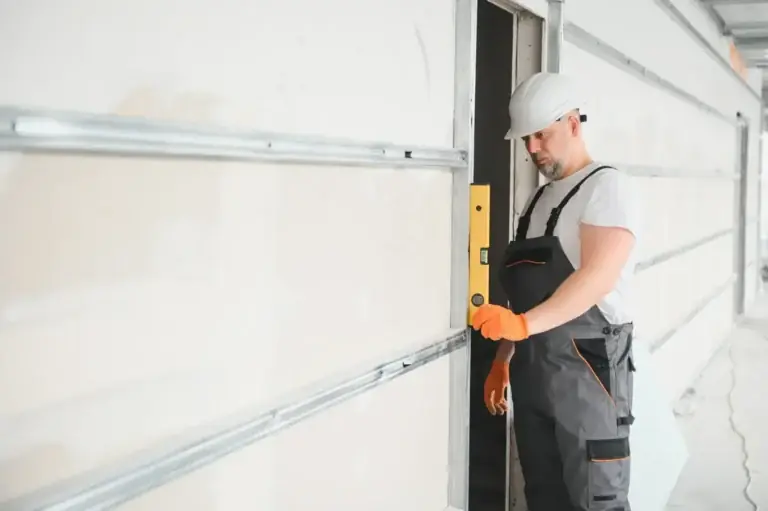
Performing effective routine maintenance relies on using targeted diagnostic instruments and non-tacky lubricants. Non-tacky synthetic silicone spray lubricates spring coils and hinge pivot points without attracting abrasive environmental dirt. Digital laser alignment levels ensure vertical track channels stand perfectly plumb, preventing roller stem binding along side wall framing.
Diagnostic Testing Protocols
Digital force gauges measure opener push and pull resistance to confirm auto-reverse safety sensors operate within national safety standards. Ultrasonic distance meters help verify automated drawbar openers stop smooth door travel at precise floor contact limits without slamming.
Risk Landscape and Failure Modes How to Reduce Garage Doors Maintenance Cost
Torsion Spring Energy Release Hazards
Torsion springs store extreme rotational mechanical tension while balancing heavy sectional door panels. Attempting DIY spring adjustments without specialized winding bars or professional training presents severe personal safety hazards. Spring winding cone slippage releases stored rotational torque instantly, risking severe impact injuries or property damage.
Unbalanced Panel Collapse Risks
Operating overhead doors with broken counterbalance springs risks unconstrained gravitational panel drops. Disengaging automated opener drawbars while doors stand raised allows unsupported panel mass to crash down, destroying floor property and risking severe personal injury.
Roller Stem Binding and Track Failure
Unlubricated roller stems seize within roller brackets, causing roller wheels to drag flat against vertical track channels. Continuous friction wears flat spots onto roller wheels, generating severe track vibration that pulls track mounting lag bolts out of timber wall framing.
Governance, Maintenance, and Long-Term Adaptation
Seasonal Preventative Maintenance Checklist
-
Spring Season: Apply synthetic silicone spray across torsion spring coils, hinge pivot pins, and roller stem shafts.
-
Summer Season: Inspect steel lifting cables for fraying, broken wire strands, or corrosion near bottom brackets.
-
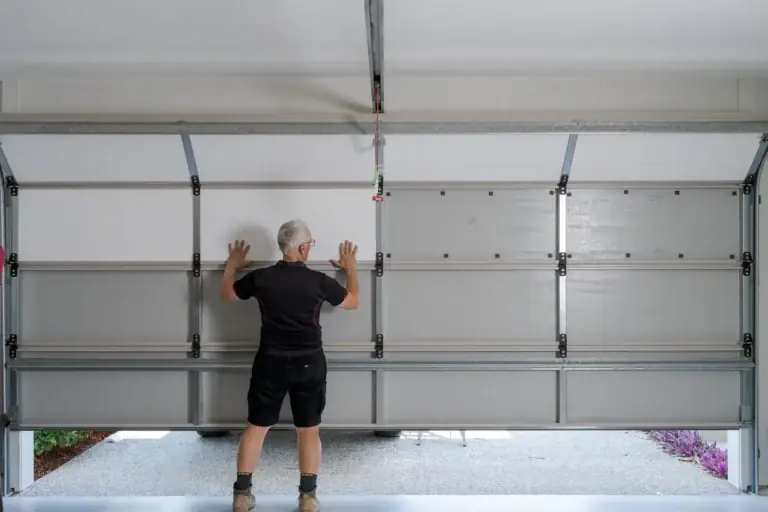
Autumn Season: Test door balance manually by disconnecting opener drawbars and resting panels three feet above thresholds.
-
Winter Season: Clean bottom EPDM rubber weather seals and clear threshold ice to prevent seal tearing during freeze snaps.
Multi-Year Inspection Cycles
Establishing structured maintenance governance involves testing spring balance semi-annually, checking roller bearing play annually, verifying track mounting bolt torque every two years, and replacing perimeter vinyl weather stripping every five years.
Measurement, Tracking, and Evaluation
Operational Health Signals
Maintaining entrance system integrity requires tracking physical performance indicators against operational baselines continuously. Leading indicators include smooth door panel movement along tracks, quiet motor operation, and balanced door positioning when disconnected from opener drawbars. Lagging indicators encompass motor strain noise, uneven panel gaps along jamb seals, and rising space heating bills caused by air leakage.
Maintenance Record Documentation
Tracking maintenance history helps predict component failure windows before structural coil snaps occur. Recording installation dates, wire gauge specifications, and annual balance check results ensures timely component replacements.
Common Misconceptions and Oversimplifications How to Reduce Garage Doors Maintenance Cost
Myth 1: Electric Openers Perform All Panel Lifting Work
-
Correction: Electric openers merely guide door movement along tracks, while properly tensioned torsion springs perform over ninety percent of actual door lifting effort.
Myth 2: Standard WD-40 Is an Ideal Garage Door Lubricant
-
Correction: Standard WD-40 acts as a solvent that washes away protective factory greases, attracting dust grit and accelerating metal friction across spring coils.
Myth 3: Garage Doors Require Zero Servicing Until They Stop Moving
-
Correction: Waiting for operational failure results in severe cascading damage, turning minor lubrication needs into expensive motor and track overhauls.
Myth 4: Replacing Only One Broken Spring Saves Money
-
Correction: Replacing only one broken spring leaves the remaining old spring worn out, causing unbalanced panel lifting that destroys the new spring within months.
Ethical, Practical, or Contextual Considerations
Environmental Material Sustainability
Galvanized steel panel sections, aluminum extrusions, and steel track channels feature high end-of-life recycling potential. Discarding failed steel springs and hardware at regional scrap metal recycling facilities minimizes landfill waste while supporting sustainable building lifecycle practices.
Workplace Safety and Building Code Compliance
Property managers overseeing rental units or commercial facilities must comply with strict occupational safety guidelines when managing overhead entrance repairs. Installing certified safety containment cables inside extension springs and maintaining routine professional inspection logs prevents workplace liability hazards and ensures building code compliance.
Strategic Architectural Conclusion
Lowering long-term entrance upkeep outlays demands a disciplined maintenance framework that balances simple preventive care with high-grade hardware selection. Learning how to reduce garage doors maintenance cost effectively involves evaluating spring balance physics, track geometry, and thermal isolation into a cohesive asset management plan. Property owners can establish safe, durable entrance systems by insisting on heavy-gauge track hardware, properly tensioned high-cycle torsion springs, and routine preventive maintenance schedules. A well-maintained overhead door installation expands usable residential space, enhances home security, and protects building envelope integrity across decades of continuous operation.