How to Reduce Garage Doors Track Wear: Lubrication, Alignment, and Roller Maintenance
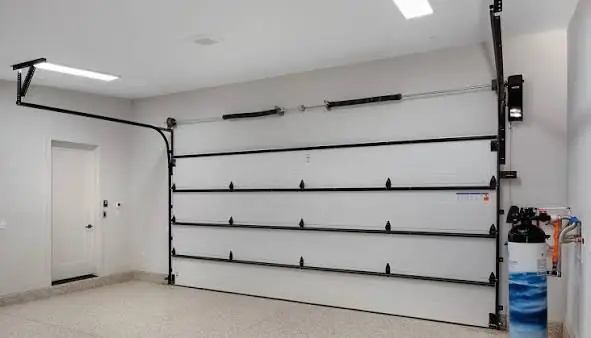
Guided overhead door portals operate as dynamic mechanical assemblies where structural metal panels ride along fixed steel track channels. A standard residential door relies on six to ten roller assemblies moving within parallel side tracks to transition from vertical closure to horizontal overhead storage. How to Reduce Garage Doors Track Wear. Dynamic movement generates continuous contact friction, localized mechanical wear, and lateral vibration across track flanges.
When side tracks experience minor misalignment or accumulated debris, mechanical friction increases exponentially during travel cycles. A slight two-millimeter deviation in track spacing forces steel roller wheels to scrape against metal track edges continuously. Driven past intended structural tolerances, side flanges bend, track galvanization wears away, and metal shavings accumulate along lower track curves.
Minimizing track friction demands an integrated engineering approach rather than basic surface maintenance. A fully optimized overhead entry system balances track plumbness, roller bearing rotation, spring counterbalance tension, and structural wall framing anchors. Neglecting underlying structural alignment allows mechanical drag to destroy track channels, leading to premature roller failure and motor drive strain.
How to Reduce Garage Doors Track Wear
Scope of Operational Tribological Management
Learning how to reduce garage doors track wear requires evaluating roller rotation efficiency alongside structural track alignment. The phrase refers to correcting track spacing deviations, replacing abrasive steel rollers, clearing grit accumulation, and dampening dynamic vibration across overhead track channels.
Achieving lasting mechanical efficiency demands inspecting structural wall brackets together with underlying track geometry. Single-layer steel doors generate significant track friction if supported by worn metal rollers mounted on misaligned track channels.
Common Misconceptions in Track Maintenance
A frequent misunderstanding involves applying heavy automotive grease inside side track channels to quiet noisy movement. Thick grease leaves sticky residues that trap airborne dust, sand, and wood shavings, forming an abrasive grinding paste that accelerates track wear.
Another common error involves assuming noisy door travel stems entirely from a failing motor drive unit. Opener motors run quietly when disconnected, while loud grinding noises usually originate from bound rollers dragging along unaligned side tracks.
Risks of Oversimplification
Focusing strictly on spraying liquid lubricants while ignoring loose track wall brackets creates ongoing structural flaws. Applying lubricant reduces friction temporarily, but unanchored track brackets continue flexing during every door movement cycle.
Similarly, replacing worn steel rollers with nylon units without straightening bent track flanges leads to early roller failure. Rough metal edges on damaged tracks cut into soft nylon tires, destroying replacement rollers rapidly. Complete wear mitigation requires an interconnected strategy combining track straightening, wall bracket anchoring, roller upgrades, and debris removal.
Structural Evolution of Overhead Guide Infrastructure
Transition from Rigid Heavy Channels to Roll-Formed Tracks
Early 20th-century industrial garages utilized heavy hot-rolled steel structural channels to guide manual wooden sliding gates. These thick iron channels offered extreme structural durability, but high material mass made residential installations expensive and difficult to mount.
Post-WWII suburban development introduced lightweight roll-formed sheet steel tracks to lower residential construction expenses. Roll-formed 14-gauge and 16-gauge galvanized steel tracks lowered manufacturing costs, yet thinner metal walls proved far more susceptible to lateral bowing under dynamic roller stress.
Advancements in Anti-Friction Engineering
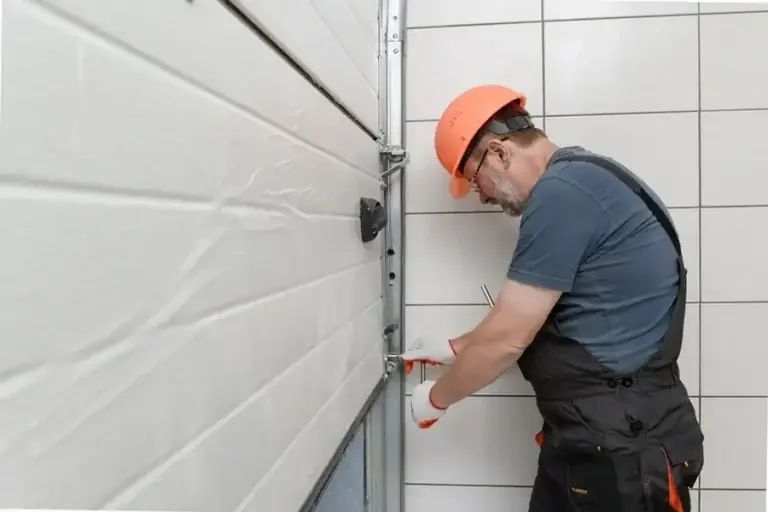
During the late 20th century, manufacturers introduced continuous steel mounting angles and sealed ball-bearing roller hardware. Sturdy continuous angle mounts replaced isolated track brackets, distributing structural track loads evenly along wall studs.
Modern track engineering incorporates heavy-duty 12-gauge galvanized steel channels paired with precision-machined nylon rollers. Advanced material builds lower kinetic friction, prevent metal-on-metal scraping, and extend track service life across high-use residential bays.
Analytical Frameworks for Guide Track Friction Assessment
The Tribological Load-Transfer Model
Evaluating track degradation requires structured analytical frameworks. The Tribological Load-Transfer Model measures mechanical wear across three distinct operational zones:
Mechanical Contact Zones
-
Roller Contact Zone: Friction generated between rolling wheel tires and internal track channel walls.
-
Bracket Anchor Zone: Mechanical stress transferred from track mounting brackets into wood framing studs.
-
Curved Transition Zone: Dynamic lateral force concentrated along upper curved track sections during directional changes.
Applying this analytical framework prevents over-indexing on surface lubrication while uncovering hidden structural mounting errors.
The Mechanical Resistance-Drag Index
This diagnostic framework measures track health by tracking motor drive amp draw and manual lifting resistance. High physical resistance during manual operation points directly to track narrowing, roller binding, or unaligned side channels.
Primary Categories of Track Degradation and Wear Vectors
Flange Scoring and Metal-on-Metal Abrasion
Standard steel rollers feature unsealed steel wheels mounted on raw metal axles. As steel rollers travel along raw steel tracks, unlubricated metal-on-metal contact scores track channel surfaces over time.
Scored track flanges develop rough grooves that catch roller edges during movement. Over time, continuous metal scraping strips protective galvanization, exposing bare steel to atmospheric oxidation and rust scale.
Bracket Loosening and Track Spreading
Overhead doors vibrate continuously as panels cross horizontal track seams. Unattended vibration gradually loosens lag bolts holding track mounting brackets to structural wall framing.
Loose brackets allow side tracks to spread outward away from door edges. As track spacing widens, side rollers slide outward on their stems, causing roller wheels to bind or pop completely out of track channels.
Debris Trapping and Sludge Accumulation
Garage environments accumulate airborne dust, sawdust, lawn debris, and road salt spray. Foreign particles settle inside lower horizontal and vertical track channels over operational months.
When combined with heavy petroleum lubricants, trapped dirt forms a thick abrasive sludge. Roller wheels drag through trapped grit instead of spinning smoothly, grinding down track channels and causing motor hesitation.
Comprehensive Track System Material and Hardware Matrix
Evaluating track mitigation options requires comparing physical parameters directly across material performance metrics.
Kinetic Drag Analysis and Lateral Geometry Dynamics
Track Plumbness and Parallel Distance Engineering
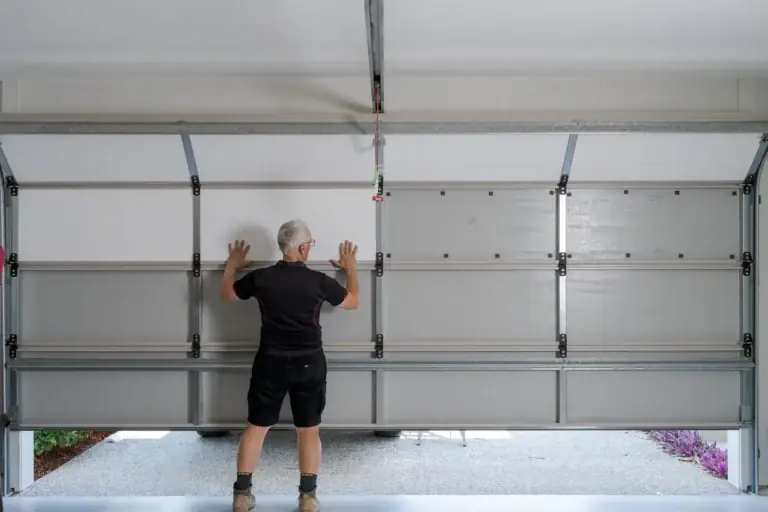
Side tracks must maintain absolute vertical plumbness and constant parallel spacing along their entire length. The distance between vertical track channels must match lower door panel dimensions precisely, allowing three to five millimeters of total lateral roller clearance.
If tracks taper inward toward upper curves, side rollers become pinched inside narrow channels. Pinched rollers drag heavily against track walls, increasing mechanical resistance and straining counterbalance springs.
Radius Curve Kinetics and Roller Elevation
Upper curved track sections transition door panels from vertical movement to horizontal overhead storage. As top rollers enter curved sections, dynamic lifting forces shift from vertical pull to horizontal towing.
If curved track sections feature improper radius angles, rollers strike curve entrances at sharp angles. Impacting track curves wears down upper track seams, causing loud popping noises and panel hesitation.
Real-World Architectural Degradation Scenarios How to Reduce Garage Doors Track Wear
Humid Coastal Environments
Residences situated near marine coastlines face airborne sodium chloride aerosols that settle inside side track channels. Salt spray breaks down zinc galvanization coatings on standard steel tracks within a few seasons.
Once galvanization fails, bare iron oxidizes rapidly, forming rough rust scale inside track channels. Resolving coastal track wear requires installing 316 stainless steel tracks or applying protective clear fluoropolymer topcoats.
High-Dust Woodworking Shops
Homeowners operating woodworking equipment inside attached garages generate fine wood dust that settles across overhead hardware. Wood dust mixes with standard track oil, forming a thick paste that clogs roller bearings.
Clogged bearings stop spinning, forcing steel roller wheels to slide flat along track channels. Sliding rollers gouge deep grooves into track walls, requiring complete track replacement.
Financial Dynamics, Maintenance Capital, and Component Lifespans
Mitigating track wear requires minor initial maintenance capital, but ignoring track damage leads to expensive structural repairs. The table below outlines typical investment ranges across track repair tiers.
Investing in smooth-rolling hardware protects automated opener gearboxes, extends spring cycle life, and prevents emergency track failures.
Precision Calibration Tools and Sound Mitigation Strategies How to Reduce Garage Doors Track Wear
Laser Level Alignment and Track Spacing Gauges
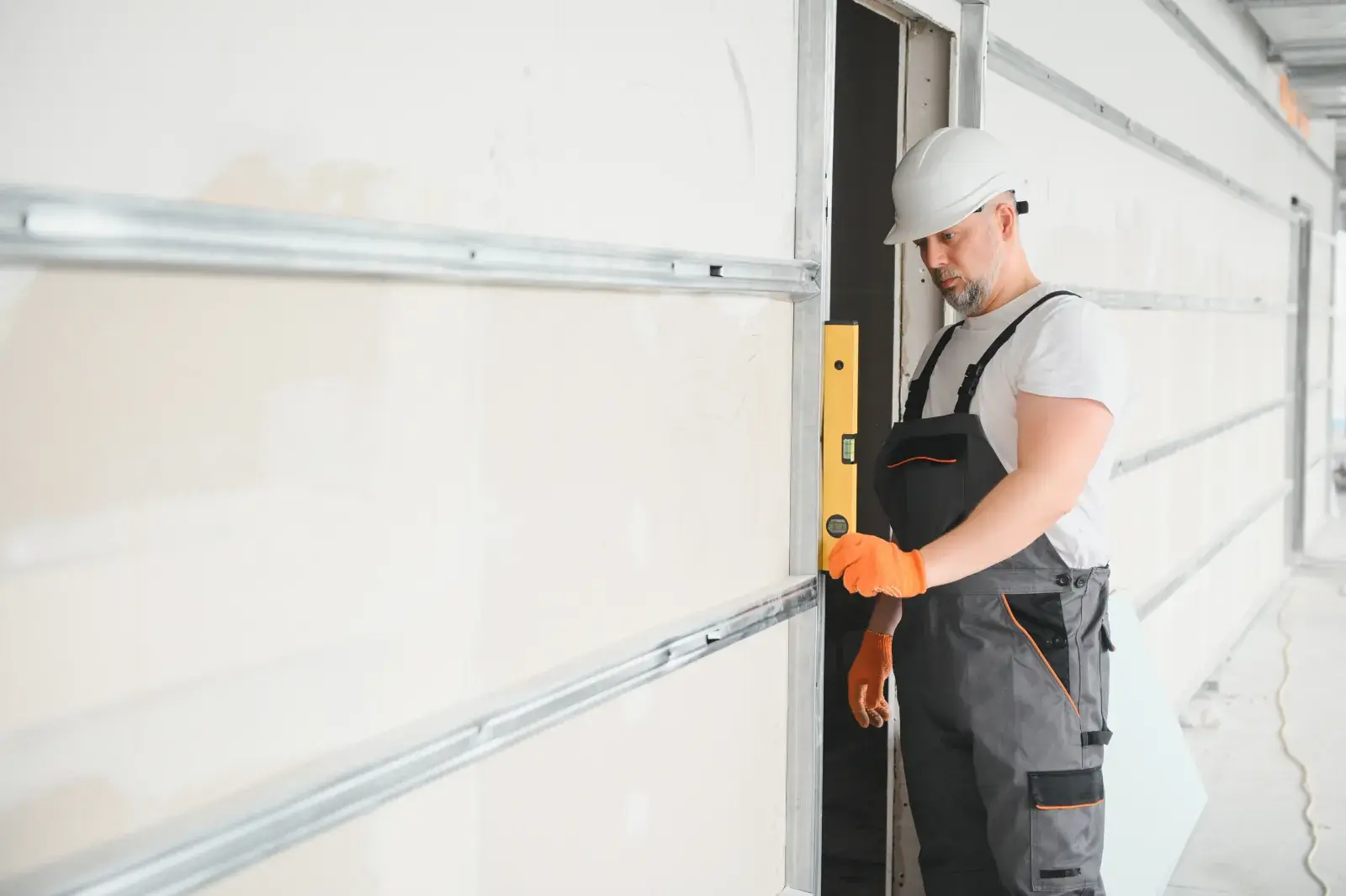
Professional technicians use cross-line laser levels to project true vertical plumb lines along side door framing. Projecting laser lines from bottom floor plates to top header brackets identifies track alignment deviations instantly.
Technicians use specialized track spacing gauges to maintain constant distance between left and right track channels. Maintaining uniform track width stops roller binding across all travel positions.
Dry Film Synthetic Lubrication
Eliminating track friction requires using specialized dry-film synthetic lubricants rather than heavy grease. PTFE or silicone dry sprays penetrate roller bearing raceways without leaving sticky surface films.
Dry synthetic coatings protect bare metal surfaces from rust while repelling dust, sand, and wood particles, keeping track channels clean.
Compounding Failure Modes and Risk Landscapes
Track Flange Spreading and Roller Dislodgement
Continuous lateral pressure from misaligned rollers forces thin 16-gauge track flanges to flex outward over time. Repeated flexing permanently bends track walls, widening channel openings.
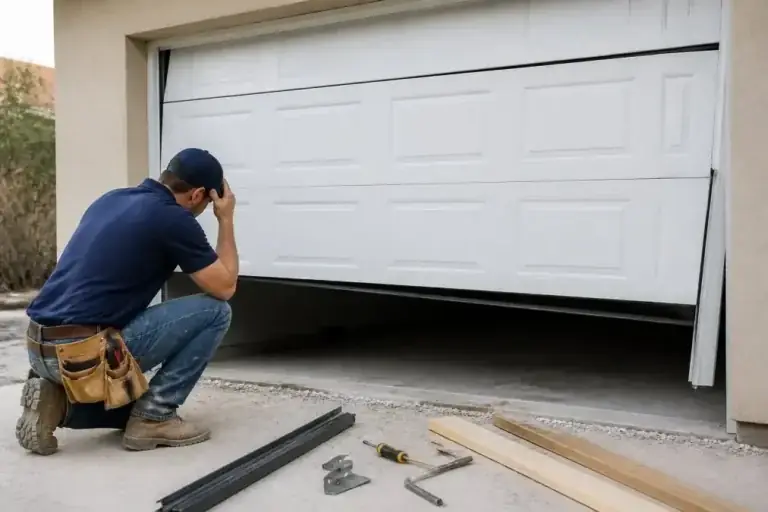
Spread track flanges allow roller wheels to slip out of track channels during opening cycles. Dislodged rollers cause heavy door panels to buckle, jam diagonally, or fall out of alignment unexpectedly.
Asymmetric Cable Tension and Diagonal Binding
Counterbalance torsion springs lift door panels via steel cables attached to bottom corner brackets. If one lifting cable stretches or loses tension, the door rises unevenly across side tracks.
Uneven lifting pulls door panels diagonally inside track channels. Diagonal binding forces rollers to wedge against track walls, generating severe drag and warping side stiles.
Operational Governance and Long-Term Adaptation Protocols
Sustaining low track friction requires routine maintenance inspections to catch alignment shifts early.
Semi-Annual Track Maintenance Checklist
-
Clean Track Channels: Wipe internal track channels clean using dry microfiber cloths to remove accumulated dust and grit.
-
Inspect Wall Brackets: Check lag bolts securing track brackets to wall studs; tighten loose fasteners immediately.
-
Check Roller Free-Spin: Spin side rollers manually when doors are open; replace wobbly or dragging rollers with sealed nylon units.
-
Verify Track Spacing: Measure distance between left and right tracks at top, middle, and bottom positions to confirm uniform width.
Proactive maintenance prevents minor track alignment shifts from escalating into major structural breakdowns.
Leading Performance Indicators and Monitoring Signal Evaluation
Evaluating track condition involves tracking physical hardware wear signals continuously over time.
Leading vs. Lagging Degradation Signals
Leading indicators signal emerging track problems before component failure occurs. Metal dust beneath tracks, minor roller squeaks, slight track vibration, and uneven roller stem wear indicate alignment issues.
Lagging indicators document severe structural failures after damage happens. Bent track flanges, popped rollers, deep gouges along track channels, and stalled motor drives confirm advanced track degradation. Tracking leading indicators allows homeowners to realign tracks before major component breakdown occurs.
Common Misconceptions and Troubleshooting Fallacies How to Reduce Garage Doors Track Wear
Myth 1: Greasing Tracks Is Standard Annual Maintenance
Many homeowners believe packing grease inside track channels is essential annual maintenance. Heavy grease traps grit, forming abrasive paste that wears out rollers and tracks rapidly. Clean, dry track channels paired with lubricated sealed nylon rollers deliver superior long-term performance.
Myth 2: Track Wear Is Normal and Unavoidable
Assuming side tracks wear out naturally every few years is a common misunderstanding. Properly aligned 12-gauge steel tracks paired with sealed nylon rollers experience minimal friction, lasting upwards of twenty-five years with simple periodic cleaning.
Strategic System Synthesis for Prolonged Track Longevity
Understanding how to reduce garage doors track wear requires combining precise track alignment, heavy-gauge steel channels, sealed nylon rollers, and dry synthetic lubrication. Treating the overhead tracking assembly as a precision guide system preserves structural hardware and ensures quiet daily operation.
Complete System Verification Checklist
-
[ ] Track Gauge Selection: Install heavy 12-gauge galvanized steel tracks for maximum structural rigidity.
-
[ ] Roller Hardware Upgrade: Fit 13-ball-bearing sealed nylon rollers to eliminate metal-on-metal track friction.
-
[ ] Track Plumbness Verification: Use laser levels to confirm vertical tracks run perfectly plumb and parallel.
-
[ ] Fastener Security: Tighten all lag bolts securing wall brackets and continuous mounting angles to studs.
-
[ ] Debris Removal Routine: Wipe track channels clean with dry rags bi-annually; avoid heavy track grease.
-
[ ] Spring Balance Check: Confirm counterbalance springs hold door panels stationary when disengaged from openers.
Systematic structural planning, precision track alignment, and routine hardware cleaning turn overhead garage tracks into smooth, highly durable guide channels for modern homes.