Common Garage Doors Installation Mistakes Structural Risk Analysis
Executing precise residential portal assembly demands comprehensive mechanical understanding and careful framing alignment. The overhead sectional access portal functions as the single largest moving dynamic assembly across modern residential building envelopes. Common Garage Doors Installation Mistakes. Operating under severe mechanical stress, these large panel arrays absorb continuous kinetic forces generated by daily vehicular access, environmental thermal shifts, and heavy wind pressures. When installation teams compromise geometric alignment or structural fastening specifications, portal reliability degrades rapidly under routine daily operations.
Evaluating installation errors requires examining physical component alignment, electrical motor calibration, load-bearing timber framing, and high-tension spring dynamics. Imprecisely leveled track channels, improperly tensioned torsion springs, loose lag bolt attachments, and uncalibrated opener force settings introduce cumulative mechanical friction. Under repeated operational stress, minor hardware misalignments cause panel binding, severe roller stem wear, premature opener gear stripping, and catastrophic cable de-spooling events.
Architects, civil contractors, and facility engineers must enforce rigid installation quality benchmarks prior to commissioning overhead entrance hardware. Analyzing plumb line tolerances, header structural integrity, spring cycle calibration, and electronic safety sensor alignment prevents costly ongoing repair outlays. This analytical reference manual provides a structural evaluation framework to identify, mitigate, and prevent compromised assembly practices across residential and commercial access portals.
Understanding “common garage doors installation mistakes”
Geometric Alignment and Framing Defects
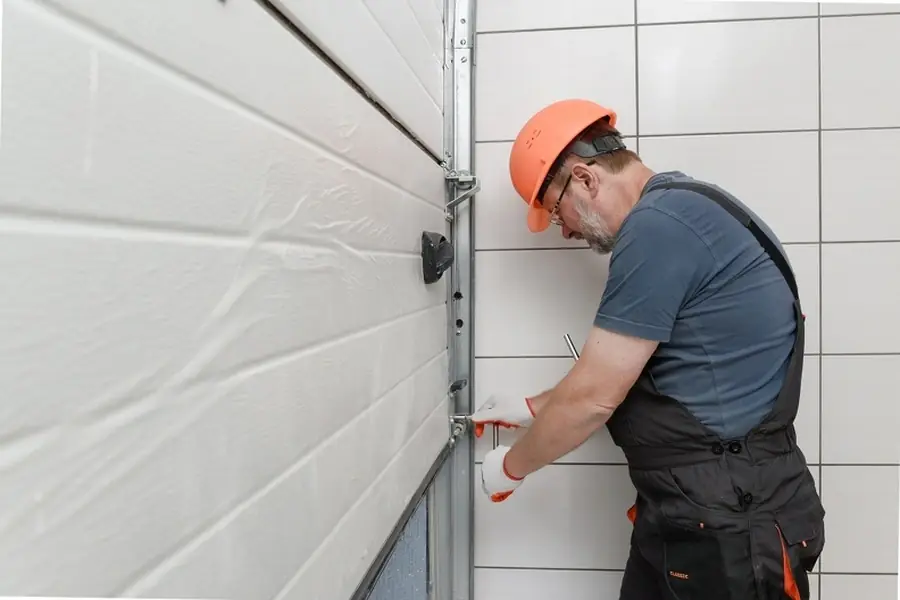
Analyzing physical assembly errors requires evaluating structural framing mechanics alongside dynamic hardware tolerances. From an engineering perspective, learning how common garage doors installation mistakes disrupt smooth door travel begins by inspecting vertical track plumb measurements and horizontal header leveling parameters. Vertical track channels mounted out of plumb force side rollers to bind inside track grooves, creating severe friction that strains electric opener motors during lifting cycles.
Mechanical Counterbalance Miscalibration
From a mechanical physics perspective, miscalculating counterbalance torsion spring winding turns disrupts system mass neutralization. Installing improperly sized springs or applying incorrect winding cone turns leaves sectional panels under-balanced or over-balanced along vertical travel paths. Under-balanced doors drop rapidly upon drawbar disconnection, while over-balanced doors resist closing, placing extreme electrical current loads on automated opener drives.
Safety Clearance and Sensor Placement
Preventing operational safety hazards demands precise placement of photoelectric safety sensors and manual emergency release mechanisms. Mounting infrared safety eyes too high off concrete floor thresholds allows low-profile obstructions to pass undetected beneath lowering panels. Imprecisely aligned sensor brackets break optical beams intermittently, causing automated openers to reverse unexpectedly during routine closing operations.
Deep Contextual Background
Mid-Century Sectional Standardization
Vehicular storage enclosures evolved significantly following post-war suburban development across North America. Early residential garage apertures featured heavy timber carriage house doors hung on forged iron strap hinges, requiring manual swinging operation and continuous alignment adjustments. The development of sectional overhead track geometries enabled multi-panel assemblies to roll vertically, storing parallel to ceiling joists and revolutionizing residential driveway access.
The Emergence of Automated Opener Mechanics
The widespread adoption of electric drawbar openers in the late twentieth century transformed residential portal convenience. Early automatic openers relied on high-torque AC electric motors connected to steel drive chains. However, early installers frequently treated openers as primary lifting devices rather than motor guides, mounting opener brackets directly to unreinforced sheet metal panels without proper strut support.
Modern High-Tension Safety Integration
The introduction of high-tensile oil-tempered torsion springs, continuous EPDM weather seals, and infrared auto-reverse safety sensors established contemporary portal installation standards. Modern building codes require strict structural attachment guidelines, including heavy-gauge jamb angles, solid timber header framing, and certified wind-load bracing. Despite these engineering advances, poor field assembly practices remain a primary cause of premature component failure.
Conceptual Frameworks and Mental Models
Vector Force Alignment Framework
Evaluating mechanical efficiency requires analyzing force vectors along horizontal and vertical track angles. Steel lifting cables must pull evenly from side drum spools to maintain level panel orientation during vertical travel. Imprecisely aligned lifting drums create uneven cable tension, pulling sectional panels diagonally and wedging side rollers against track flanges.
Parasitic Friction Accumulation Model
Analyzing operational wear relies on measuring parasitic energy loss along moving hardware contact points. Unlubricated roller bearings, misaligned hinge pivot pins, and binding track curves absorb motor output torque through dynamic friction. Parasitic drag forces electric openers to operate at maximum thermal capacity, accelerating motor control board burnouts and nylon drive gear stripping.
Dynamic Structural Support Anchor Logic
Securing heavy overhead entrance assemblies requires transferring mechanical loads into structural timber wall framing. Attaching track jamb angles or center torsion brackets to hollow drywall or unreinforced aluminum siding leads to anchor pull-out under spring winding forces. Engineering durable mounting systems demands driving heavy-grade steel lag screws directly into solid structural Douglas fir framing members.
Key Categories or Variations
Installation Error Taxonomy and Systemic Impact
Categorizing assembly errors involves assessing structural severity, operational disruption, component repair expenses, and personal safety hazards. Track misalignment and spring miscalibration represent high-risk assembly errors that directly degrade mechanical components and strain motor drives. Incorrect opener mounting heights and loose framing anchors compromise structural stability and cause severe operational failure over time.
Hardware Grade and Fastener Misapplications
Comparing fastener specifications involves assessing standard zinc-plated lag bolts against heavy-duty structural timber screws. Using light-duty drywall screws or undersized bolts to secure track brackets results in fastener shearing under high dynamic load shifts, creating severe structural alignment failure.
Systemic Trade-Offs and Structural Physics
Rapid Assembly Speed versus Precision Calibration
Executing entrance installations requires balancing jobsite installation speed against long-term mechanical precision. Rushing track assembly without verifying diagonal squareness measurements saves time during preliminary setup. However, imprecisely squared track channels create uneven roller drag, accelerating hardware wear and requiring expensive service call-backs that eliminate initial labor savings.
Low-Cost Stock Hardware versus Heavy-Duty Upgrades
Specifying standard unsealed nylon rollers and light 14-gauge hinges reduces initial material procurement costs. However, unsealed nylon rollers wear down rapidly under daily operational friction, developing flat spots that cause track chatter. Investing in sealed thirteen-ball steel rollers and heavy 11-gauge commercial hinges increases initial hardware outlays while extending system lifespans beyond twenty operational years.
Detailed Real-World Scenarios Common Garage Doors Installation Mistakes
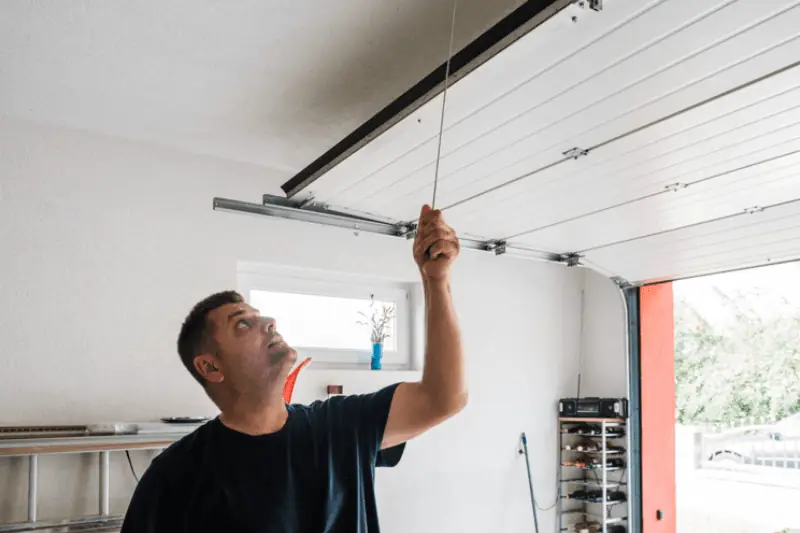
Scenario A: Residential Suburban Garage Track Binding
-
Environmental Constraints: Attached double-car garage bay with finished drywall ceiling and limited side room clearance.
-
Design Decision: Standard dual-track installation utilizing low-headroom rear-mount torsion spring hardware.
-
Failure Modes: Installer failed to plumb vertical tracks, mounting channels quarter-inch narrow at top header angle.
-
Second-Order Effects: Side rollers wedged tightly into track curves, burning out electric opener drive gears within six operational months.
Scenario B: Coastal High-Wind Region Fastener Failure
-
Environmental Constraints: Coastal residential installation exposed to persistent salt air humidity and severe ocean wind gusts.
-
Design Decision: Heavy wind-load-rated insulated steel sectional door with reinforced horizontal U-bar stiffeners.
-
Failure Modes: Field technician used short zinc-plated lag bolts into weathered jamb framing instead of stainless steel structural screws.
-
Second-Order Effects: Dynamic wind shear pulled jamb brackets away from framing wall, dropping door assembly onto vehicle bumper.
Scenario C: Commercial Loading Dock Spring Miscalibration
-
Environmental Constraints: High-frequency industrial warehouse entrance operating thirty to fifty lift cycles daily.
-
Design Decision: Heavy 24-gauge steel insulated door fitted with duplex high-cycle torsion springs.
-
Failure Modes: Technician under-wound torsion springs by two full turns during initial spring setup.
-
Second-Order Effects: Electric drawbar opener lifted heavy dead-weight panel mass unassisted, overheating control circuit boards repeatedly.
Scenario D: Attached Urban Townhouse Opener Geometry Defect
-
Environmental Constraints: Low ceiling headroom with living quarters located directly above garage space.
-
Design Decision: Ultra-quiet belt-drive electric opener fitted with vibration isolation mounting brackets.
-
Failure Modes: Trolley arm installed at steep downward angle due to improper ceiling bracket mounting height.
-
Second-Order Effects: Opener pushed top panel downward instead of backward during opening cycle, creasing top steel skin permanently.
Planning, Cost, and Resource Dynamics
Direct and Indirect Cost Allocations
Calculating financial expenditures associated with installation errors requires analyzing direct repair material outlays against indirect operational disruptions. Direct costs cover replacement track sections, high-cycle torsion springs, electric opener logic boards, and structural lag fasteners. Indirect costs encompass emergency service call-out fees, vehicle entrapment expenses, and structural framing repair fees.
Installation Corrective Financial Estimates
Executing precise initial installation protocols eliminates emergency contractor call-out fees, preserving capital while extending door system operational lifespans.
Tools, Strategies, and Support Systems Common Garage Doors Installation Mistakes
Precision Inspection and Measurement Tools
Verifying installation geometry relies on utilizing professional measurement instruments and alignment tools. Laser level transits ensure horizontal headers and track channels stand perfectly level across wide door spans. Magnetic plumb bobs verify vertical track angle alignment, preventing roller stem binding along side wall framing timber.
Diagnostic Tension and Force Meters
Digital force gauges measure electric opener push and pull resistance to confirm auto-reverse safety settings comply with national safety standards. Winding bar torque meters ensure torsion springs receive balanced winding turns, neutralizing panel mass across total vertical travel distance.
Risk Landscape and Failure Modes
Torsion Spring De-spooling and Personal Injury
Torsion springs store high mechanical rotational energy while balancing heavy sectional panels. Installing incorrect winding cones or tightening set screws against scored steel shafts allows stored spring tension to release violently. Sudden spring unwinding throws steel winding bars across work areas, creating severe personal safety hazards.
Panel Drop Collapses from Cable Snap
Imprecisely aligned cable drums cause lifting cables to rub against track angle brackets during panel movement. Continuous friction frays steel cable strands, leading to sudden cable snapping under panel weight. Unbalanced panels drop rapidly, crushing floor property and risking severe personal injury.
Jamb Anchor Pull-Out and Structural Instability
Fastening track jamb angles to dry rot framing or hollow masonry blocks leads to anchor pull-out under spring winding tension. Loose jamb angles allow vertical tracks to tilt inward, derailing track rollers and causing sectional panels to collapse out of track channels.
Governance, Maintenance, and Long-Term Adaptation
Preventive Installation Audit Protocols
-
Initial Commissioning: Verify vertical track plumb line tolerances, check lag screw torque, and test manual balance.
-
30-Day Post-Installation Audit: Re-tighten track hinge fasteners, check cable drum set screw torque, and inspect roller movement.
-
Six-Month Audit: Apply synthetic silicone lubricant across torsion spring coils, roller stem bearings, and hinge pivot pins.
-
Annual Structural Audit: Inspect steel lifting cables for fraying, check lag bolt anchor tightness, and verify auto-reverse safety sensors.
Multi-Year Component Governance
Establishing structured maintenance governance involves testing spring balance semi-annually, checking roller bearing play annually, verifying track mounting bolt torque every two years, and replacing lifting cables every five years.
Measurement, Tracking, and Evaluation Common Garage Doors Installation Mistakes
Operational Health Signal Metrics
Monitoring portal health requires tracking physical performance indicators against baseline operational standards. Leading indicators include quiet roller travel, smooth motor engagement, and balanced panel positioning when disconnected from opener drawbars. Lagging indicators encompass motor strain noise, uneven panel gaps along jamb seals, and scored vertical track flanges.
Maintenance Record Logging
Tracking door cycle history helps predict component failure windows before structural coil snaps occur. Recording installation dates, wire gauge specifications, and annual balance check results ensures timely component replacements.
Common Misconceptions and Oversimplifications
Electric Openers Do All The Heavy Lifting Work
Electric openers merely guide door movement along track channels, while properly tensioned torsion springs perform over ninety percent of actual panel lifting effort.
Any Standard Fastener Can Secure Heavy Track Brackets
Track brackets require heavy-grade steel lag screws driven into solid structural timber framing to resist dynamic operational forces.
Track Alignment Is Complete Once Doors Move Up And Down
Operational movement does not guarantee correct track geometry; minor track binding strains opener drive gears silently, causing motor failure over time.
Spring Winding Turns Can Be Estimated By Eye
Torsion springs require precise winding turns calculated based on total panel weight, door height dimensions, and cable drum diameter specifications.
Ethical, Practical, or Contextual Considerations
Environmental Material Recycling Protocols
Scrapped steel panel sections, aluminum extrusions, and steel track channels feature high end-of-life recycling potential. Discarding failed steel springs and hardware at regional scrap metal recycling facilities minimizes landfill waste while supporting sustainable building lifecycle practices.
Workplace Safety and Building Code Compliance
Property managers overseeing residential units or commercial facilities must comply with strict occupational safety guidelines when managing overhead entrance repairs. Installing certified safety containment cables inside extension springs and maintaining routine professional inspection logs prevents workplace liability hazards and ensures building code compliance.
Strategic Architectural Conclusion
Executing high-performance overhead entrance installations requires a disciplined construction framework that balances physical alignment precision with high-grade hardware selection. Mastering protocols to mitigate common garage doors installation mistakes involves evaluating track geometry, structural header support, and spring balance physics into a unified installation plan. Property owners can establish safe, durable entrance systems by insisting on heavy-gauge track hardware, properly tensioned high-cycle torsion springs, and routine preventive maintenance schedules. A well-installed overhead door assembly expands usable residential space, enhances home security, and protects building envelope integrity across decades of continuous operation.